Mushroom Extracts and Tinctures: A Complete Guide to Medicinal Fungi and How to Use Them
Today, medicinal mushrooms are among the most rigorously studied natural compounds in integrative health research.
Their benefits span immune regulation, cognitive support, adrenal resilience, anti inflammatory action, and cellular protection.
And while eating culinary mushrooms regularly is genuinely beneficial, extracts and tinctures unlock a level of potency that whole mushrooms simply cannot deliver on their own.
Why Extracts and Tinctures: Not Just Whole Mushrooms
Whole mushrooms are nutritious and worth eating regularly, but they have a significant bioavailability limitation.
The cell walls of fungi are made of chitin, the same tough polysaccharide that forms the exoskeleton of insects and crustaceans.
Human digestive systems are not well-equipped to break chitin down, which means that many of the most therapeutically active compounds in medicinal mushrooms, beta-glucans, triterpenes, polysaccharides. pass through largely unabsorbed when the mushroom is consumed whole and raw.
Extraction solves this problem by breaking down the cell wall and concentrating the bioactive compounds into a form the body can actually use.
Water extraction pulls out the water-soluble compounds — primarily beta-glucans, the polysaccharides responsible for most of the immune-modulating effects attributed to medicinal mushrooms. This is typically done by simmering the mushroom material in hot water for an extended period, a process that mirrors the traditional preparation of mushroom medicines as long-decocted teas.
Alcohol extraction pulls out the fat-soluble compounds, primarily triterpenes, the bitter, resinous compounds responsible for many of the adaptogenic, anti-inflammatory, and liver protective effects of mushrooms like reishi and chaga.
Dual extraction, using both water and alcohol sequentially, captures the full spectrum of bioactive compounds from a single mushroom. For most medicinal applications, a dual-extracted product is significantly more effective than a single-extraction tincture, and it is what you should look for when purchasing.
Tinctures, in their simplest form, involve soaking mushroom material in alcohol over a period of weeks, then straining. They are effective for alcohol soluble compounds but miss the water soluble fraction unless dual extraction is used. The terms "extract" and "tincture" are often used interchangeably in the market, which creates confusion, always check the extraction method on the label.
The Mushrooms Worth Knowing
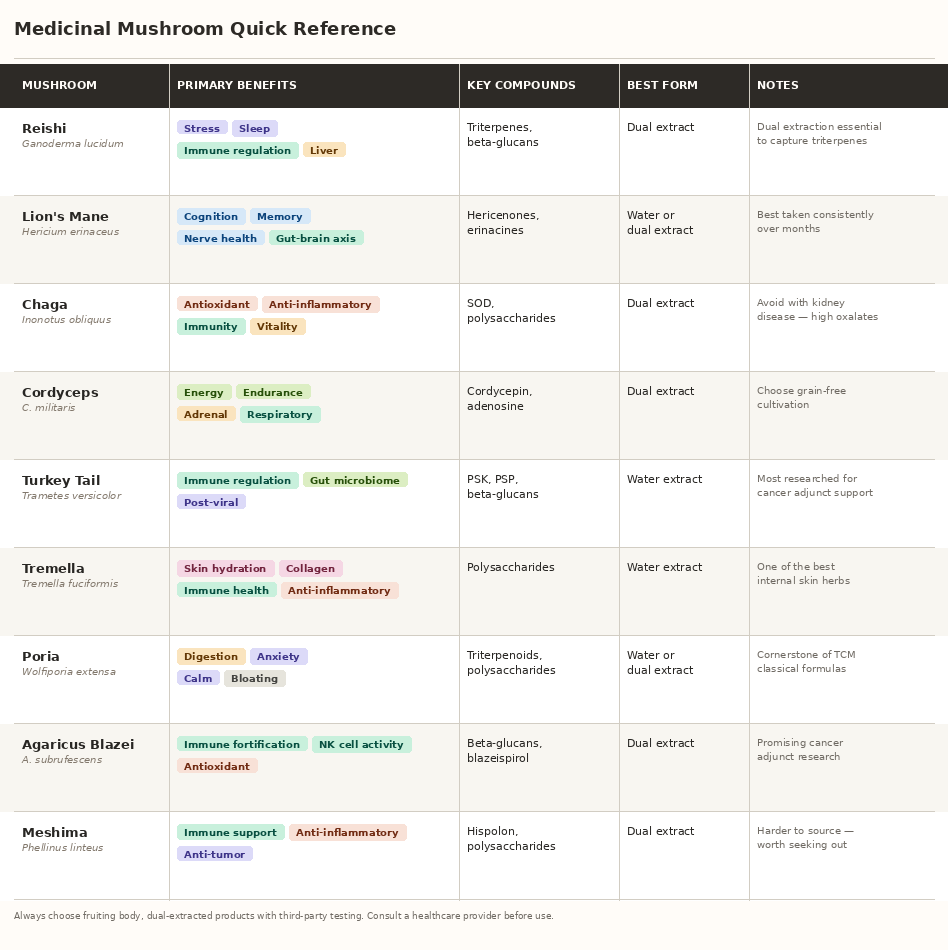
Reishi (Ganoderma lucidum) — The Adaptogen of Depth
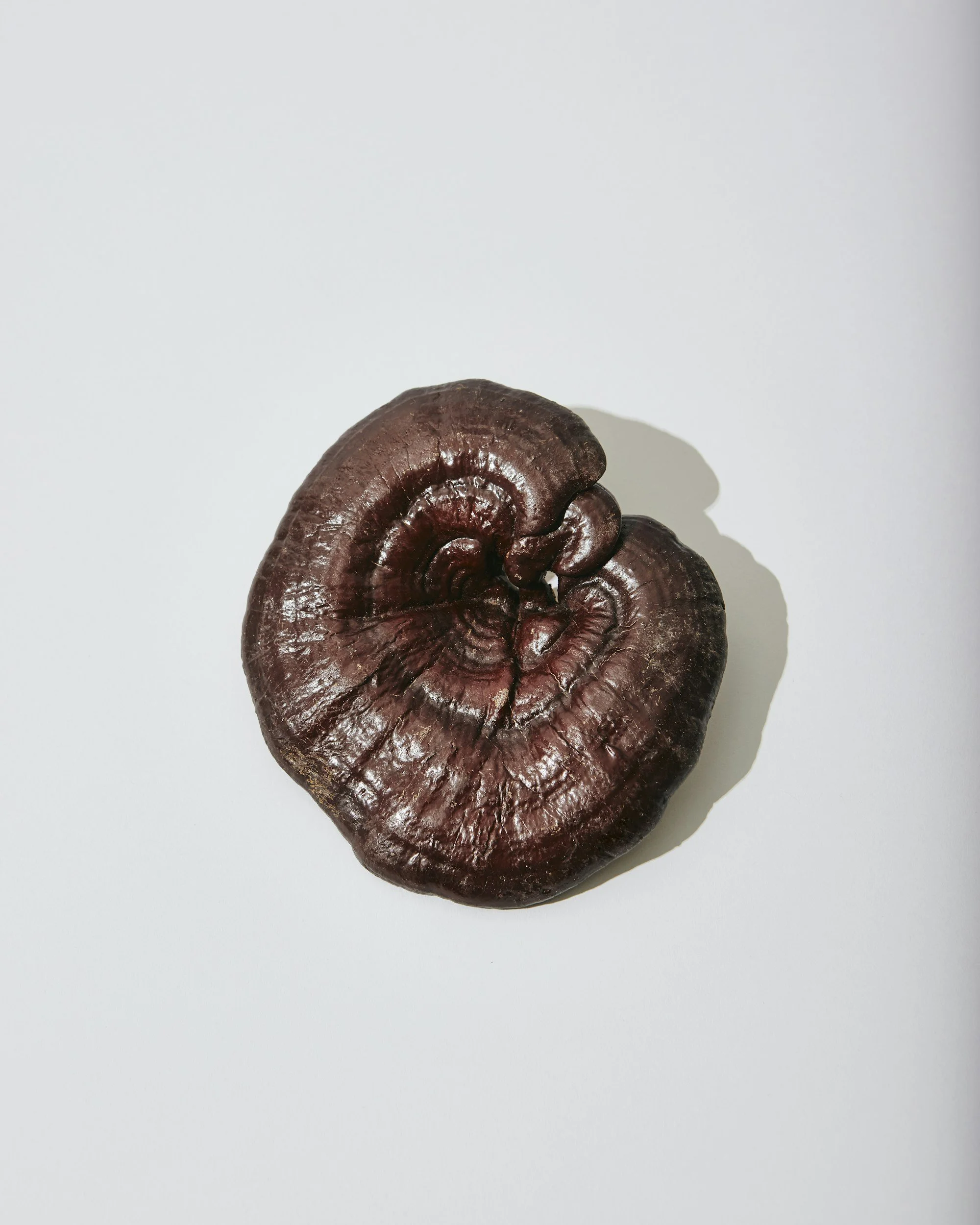
Reishi has been called the mushroom of immortality in Chinese medicine, where it has been used for over two millennia as a tonic for longevity, immune strength, and spiritual clarity. It is a deeply bitter, woody mushroom, rarely eaten whole, and its medicine lives almost entirely in its triterpene and polysaccharide content, making extraction essential.
As an adaptogen, reishi works by modulating the body's stress response rather than simply stimulating or sedating it.
It supports the HPA axis, the hypothalamic-pituitary-adrenal system that governs cortisol production and the stress response, helping the body maintain equilibrium under pressure rather than swinging between depletion and overstimulation.
Reishi is also one of the most studied mushrooms for immune regulation. Rather than simply stimulating the immune system, it modulates it, enhancing its response when underactive and tempering it when overactive. This dual action makes it relevant for both immunodeficiency and autoimmune conditions, though the latter should always be addressed with practitioner guidance.
Its effects on sleep are well documented and often reported as one of the first benefits people notice: deeper, more restorative sleep, and an easier transition into rest at the end of the day. This is likely related to its effect on the nervous system and its modulation of cortisol, rather than any direct sedative action.
Best for: Chronic stress, sleep disruption, immune dysregulation, long-term adaptogenic support, liver protection.
Lion's Mane (Hericium erinaceus) — The Cognitive Tonic
Lion's Mane is one of the most remarkable fungi in the natural pharmacopeia for one specific and extraordinary reason: it is one of the only known natural compounds that stimulates the production of nerve growth factor (NGF), a protein essential for the growth, maintenance, and survival of neurons.
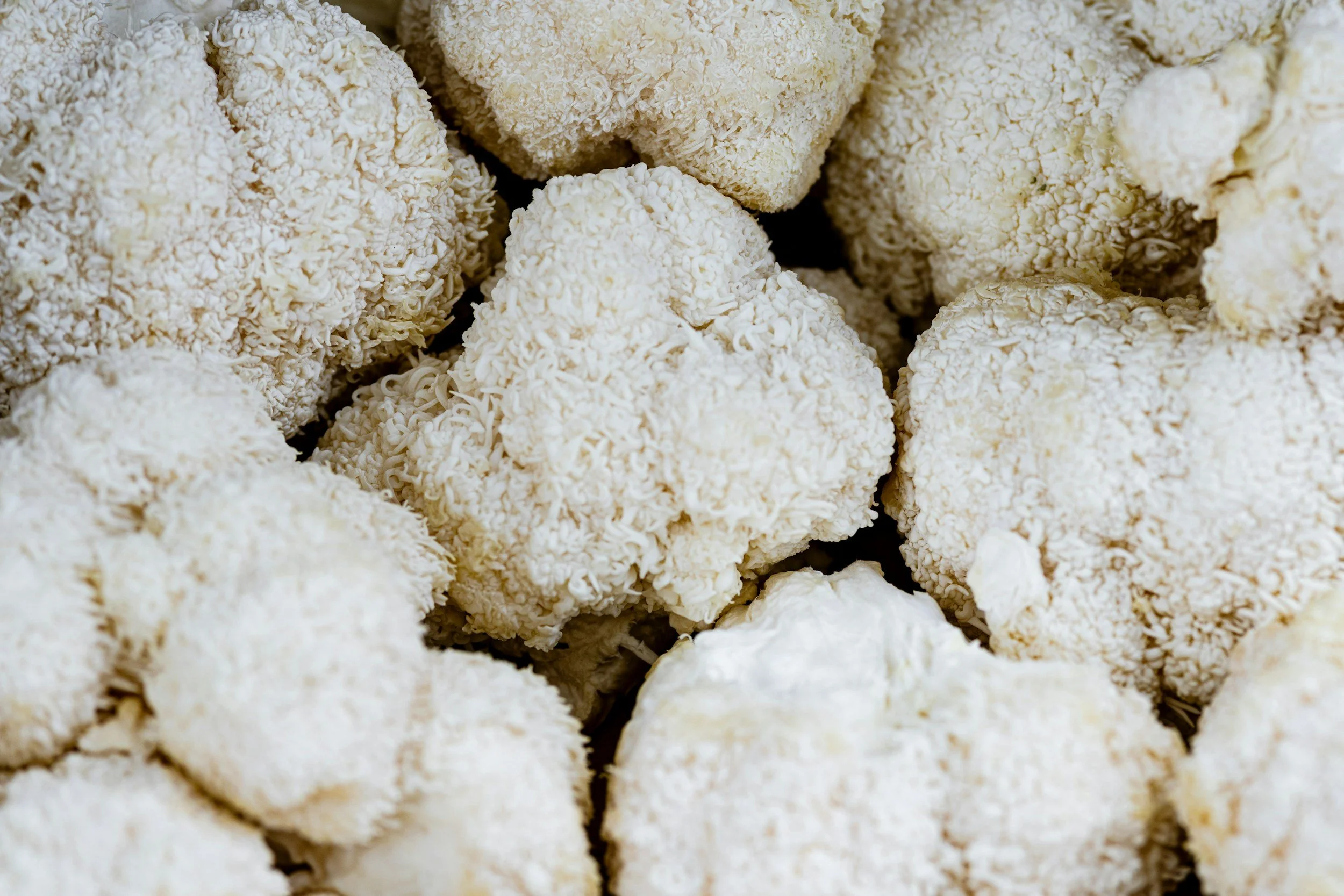
This mechanism has profound implications. NGF supports neuroplasticity, the brain's ability to form new connections and adapt to new information, and its decline is associated with cognitive aging, neurodegenerative disease, and the kind of mental fog that accumulates under chronic stress.
Lion's Mane, taken consistently over time, has been shown in multiple studies to improve memory, focus, processing speed, and mood, particularly in older adults and those experiencing mild cognitive decline.
Beyond the brain, Lion's Mane has meaningful benefits for the gut-brain axis. The enteric nervous system, the network of neurons lining the gastrointestinal tract, is rich in NGF receptors, and Lion's Mane's support of nerve growth extends to digestive nerve tissue as well. People with gut-related conditions, particularly those with a nervous system component, often find it quietly useful alongside other digestive support.
Best for: Cognitive support, memory and focus, neurological health, mood, gut-brain axis support.
Chaga (Inonotus obliquus) — The Antioxidant Fortress
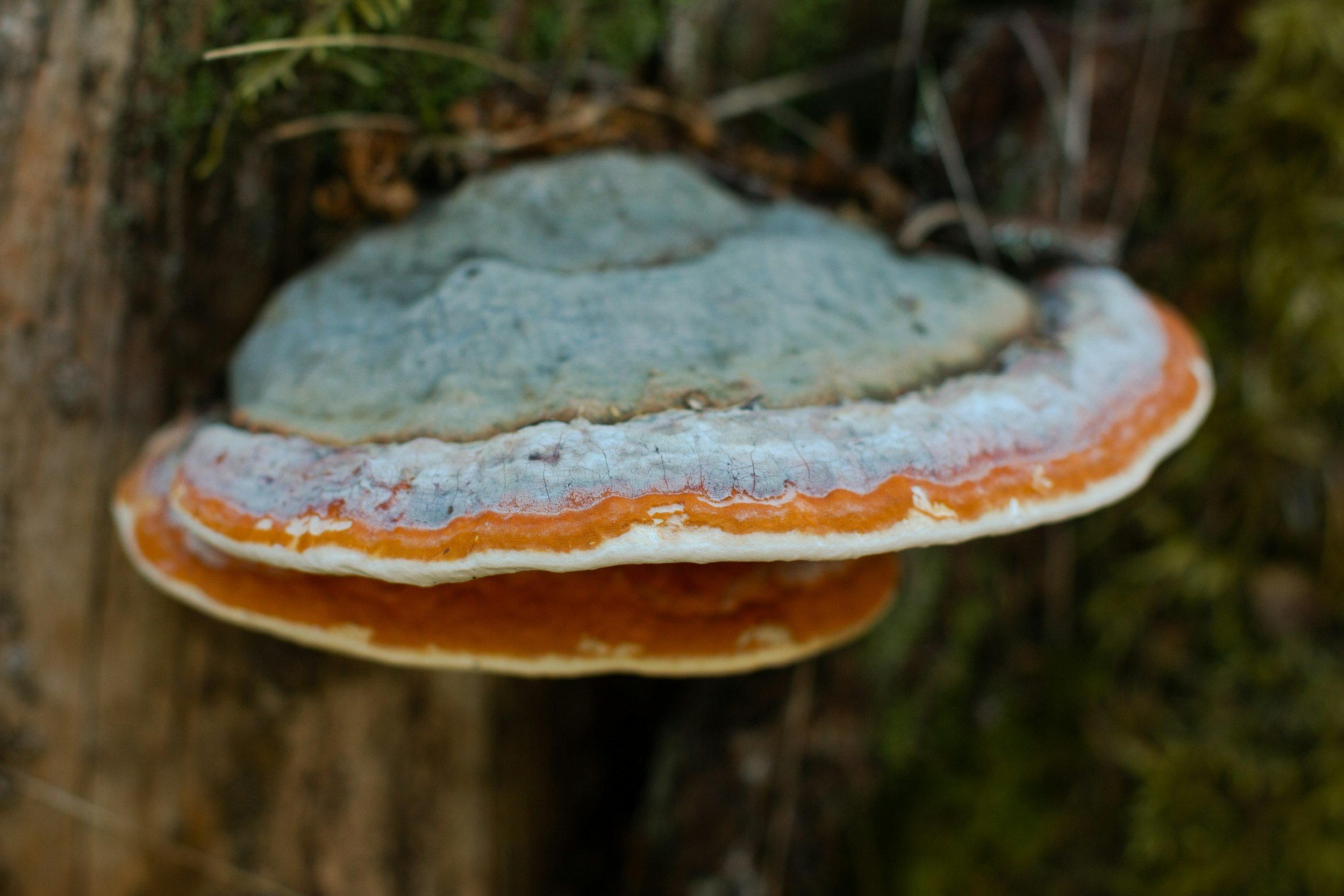
Chaga is technically not a mushroom in the traditional sense, it is a parasitic fungal growth that forms on birch trees in cold northern climates, drawing compounds from its host over decades before it is harvested.
This unusual origin story is part of what makes it so medicinally potent: it concentrates the birch tree's own medicinal compounds alongside its own, creating one of the highest antioxidant profiles of any substance measured by ORAC value.
Its primary therapeutic actions center on its extraordinary antioxidant content, particularly superoxide dismutase (SOD), one of the most powerful endogenous antioxidant enzymes, and its anti-inflammatory and immune-modulating polysaccharides. Chaga has been used traditionally in Russia and Siberia for centuries to treat digestive complaints, support immunity through harsh winters, and as a general vitality tonic.
Chaga has an earthy, slightly bitter, almost coffee-adjacent flavor that makes it one of the more palatable medicinal mushrooms in hot beverage form, many people use chaga tea as a morning coffee alternative or complement.
Best for: Antioxidant protection, chronic inflammation, immune support, digestive health, general vitality.
Note: Chaga is high in oxalates and should be used with caution by those with kidney disease or a history of kidney stones.
Cordyceps (Cordyceps sinensis / Cordyceps militaris) — The Energy and Endurance Mushroom
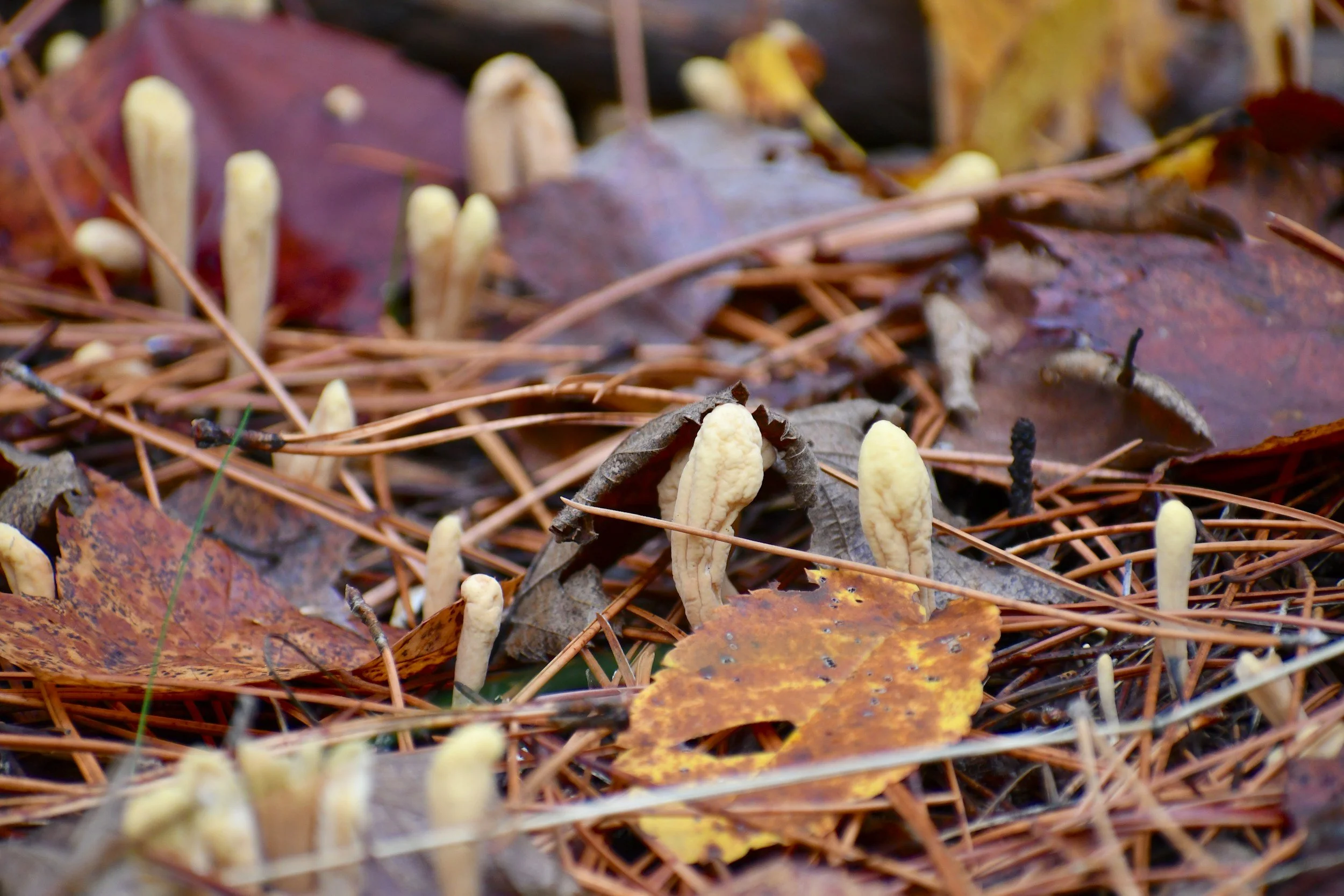
Cordyceps has one of the more dramatic origin stories in herbal medicine.
Traditional Tibetan herders first observed that yaks grazing on a particular fungus at high altitude displayed unusual stamina and strength, an observation that led to centuries of use of cordyceps as a tonic for physical endurance, respiratory capacity, and sexual vitality.
In contemporary herbalism, cordyceps is best understood as an oxygen efficiency enhancer.
It supports the production of adenosine triphosphate (ATP) , the body's primary cellular energy currency, and improves the efficiency of oxygen utilization at the cellular level.
For athletes, this translates to improved endurance, faster recovery, and reduced exercise-induced fatigue. For non-athletes, it translates to more sustained daily energy without the crash associated with stimulants.
Cordyceps also has meaningful effects on the adrenal and reproductive systems, supporting both hormonal vitality and immune function. It is one of the most relevant mushrooms for people dealing with fatigue that has an adrenal or respiratory component.
Note: Wild-harvested Cordyceps sinensis involves a parasitic relationship with caterpillar larvae and is extremely expensive. Most commercial cordyceps products use Cordyceps militaris, grown on grain substrates, this is effective and ethically sound, but look for grain-free cultivation when possible.
Best for: Physical endurance, fatigue, respiratory health, adrenal support, athletic recovery.
Turkey Tail (Trametes versicolor) — The Immune Regulator
Turkey Tail is one of the most extensively researched medicinal mushrooms in the world, and much of that research has been driven by its remarkable immune-modulating properties.
It contains two particularly well studied polysaccharide compounds, PSK (polysaccharide-K) and PSP (polysaccharide peptide) , which have been the subject of significant clinical investigation, including research into their role as adjunct support in cancer treatment protocols.
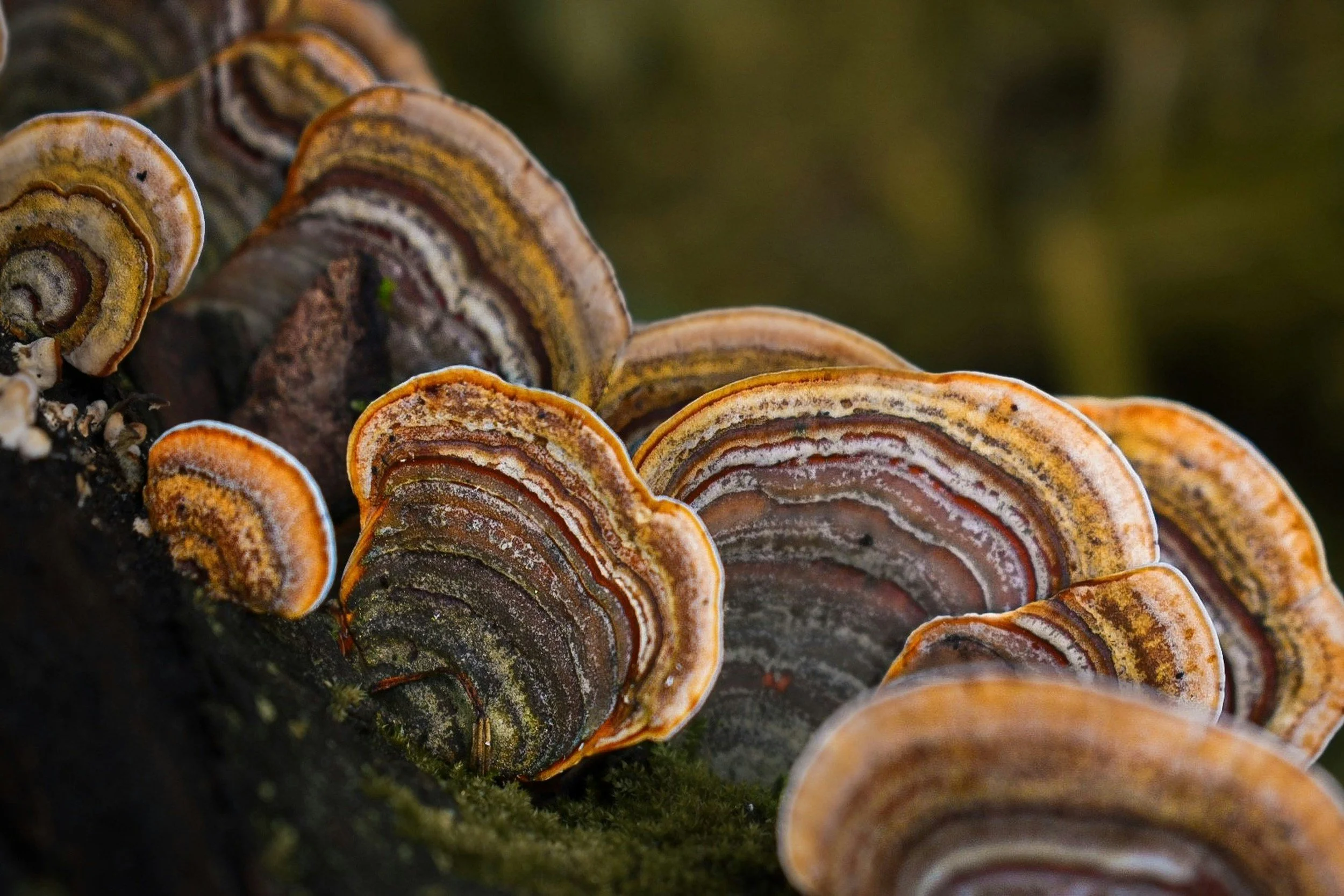
PSK, in particular, has been approved as a cancer treatment adjunct in Japan, where it is used alongside conventional therapy to support immune function and improve treatment outcomes.
This is not a fringe claim, it is backed by decades of peer-reviewed research and clinical use.
Beyond oncology support, Turkey Tail is a potent general immune regulator, relevant for anyone dealing with chronic immune challenges, frequent illness, or post-viral fatigue.
It is also a meaningful prebiotic, supporting the growth of beneficial gut bacteria and the gut-immune axis more broadly.
Best for: Immune regulation, gut microbiome support, post-viral recovery, adjunct support during cancer treatment (always in consultation with your oncologist).
Tremella (Tremella fuciformis) — Beauty From the Inside Out
Tremella, known as Snow Fungus or Silver Ear Mushroom, occupies a unique place in the medicinal mushroom world, it is as much a beauty medicine as it is an immune tonic.
Used for centuries in East Asian cultures, it was reputedly a central part of the beauty regimen of Yang Guifei, one of the great beauties of Tang Dynasty China, who attributed her luminous skin in part to regular tremella consumption.
The mechanism behind tremella's skin benefits is well-understood: it contains exceptionally high concentrations of polysaccharides that hold water at a molecular level with a capacity that rivals, and in some studies exceeds, hyaluronic acid. These polysaccharides support skin hydration, elasticity, and barrier function from the inside out, making tremella genuinely effective for skin that is dry, aging, or environmentally stressed.
Beyond the skin, tremella supports immune health and has meaningful anti-inflammatory and neuroprotective properties — making it more than a cosmetic herb, even if that is often its entry point for many people.
Best for: Skin hydration and elasticity, collagen support, immune health, inflammation, neuroprotection.
Poria (Wolfiporia extensa / Fu Ling) — The Calming Tonic
Poria is one of the most widely used herbs in all of Traditional Chinese Medicine — included in more classical formulas than almost any other single ingredient. It is used not for dramatic, acute effects, but for its gentle, consistent support of the digestive and nervous systems over time.
In TCM, Poria strengthens the Spleen and Stomach, the digestive center of the body, while calming the Heart and the Shen, the spirit or quality of mental clarity and emotional settledness. This combination makes it uniquely suited for conditions where digestive weakness and anxiety overlap: the person who bloats under stress, whose appetite disappears during difficult periods, or who lies awake with a churning mind and an unsettled stomach.
Its diuretic properties support the gentle clearance of dampness and fluid retention, and it is commonly included in formulas for bloating, sluggish digestion, and edema with a stress or anxiety component.
Best for: Digestive weakness, anxiety, insomnia, bloating, stress-related digestive complaints, fluid retention.
Agaricus Blazei (Agaricus subrufescens) — The Immune Fortifier
Agaricus Blazei, sometimes called the Sun Mushroom, is native to the Atlantic rainforest region of Brazil, where it was used traditionally by local communities and first brought to the attention of researchers in the 1960s when a Japanese scientist studying the unusually low rates of cancer in a Brazilian community found that Agaricus Blazei was a dietary staple.
Subsequent research has focused primarily on its immune-enhancing properties — specifically its ability to stimulate natural killer (NK) cell activity, macrophage function, and the production of interferon and interleukin, key components of the immune system's defense and surveillance capacity. It is particularly studied for its potential role in cancer prevention and adjunct support, and for its meaningful antioxidant and anti-inflammatory effects.
Best for: Immune fortification, infection resistance, antioxidant support, adjunct cancer support (in consultation with a healthcare provider).
Meshima (Phellinus linteus) — The Rare Protector
Meshima grows on mulberry trees in Japan, Korea, and parts of China, and remains less well-known in Western wellness circles than its counterparts — but its research profile is compelling. It contains a unique polysaccharide called hispolon, and its combination of immune-enhancing and anti-tumor properties has made it the subject of significant interest in integrative oncology research.
Meshima is used in traditional East Asian medicine as an immune tonic and anti-inflammatory agent, and contemporary research has explored its potential to inhibit tumor growth, enhance NK cell activity, and support the body's natural surveillance against abnormal cell proliferation.
It is one of the harder mushrooms to source in quality extract form — but worth seeking out as part of a comprehensive immune protocol.
Best for: Immune support, anti-inflammatory action, adjunct cancer support, comprehensive immune protocols.
How to Choose a Quality Extract
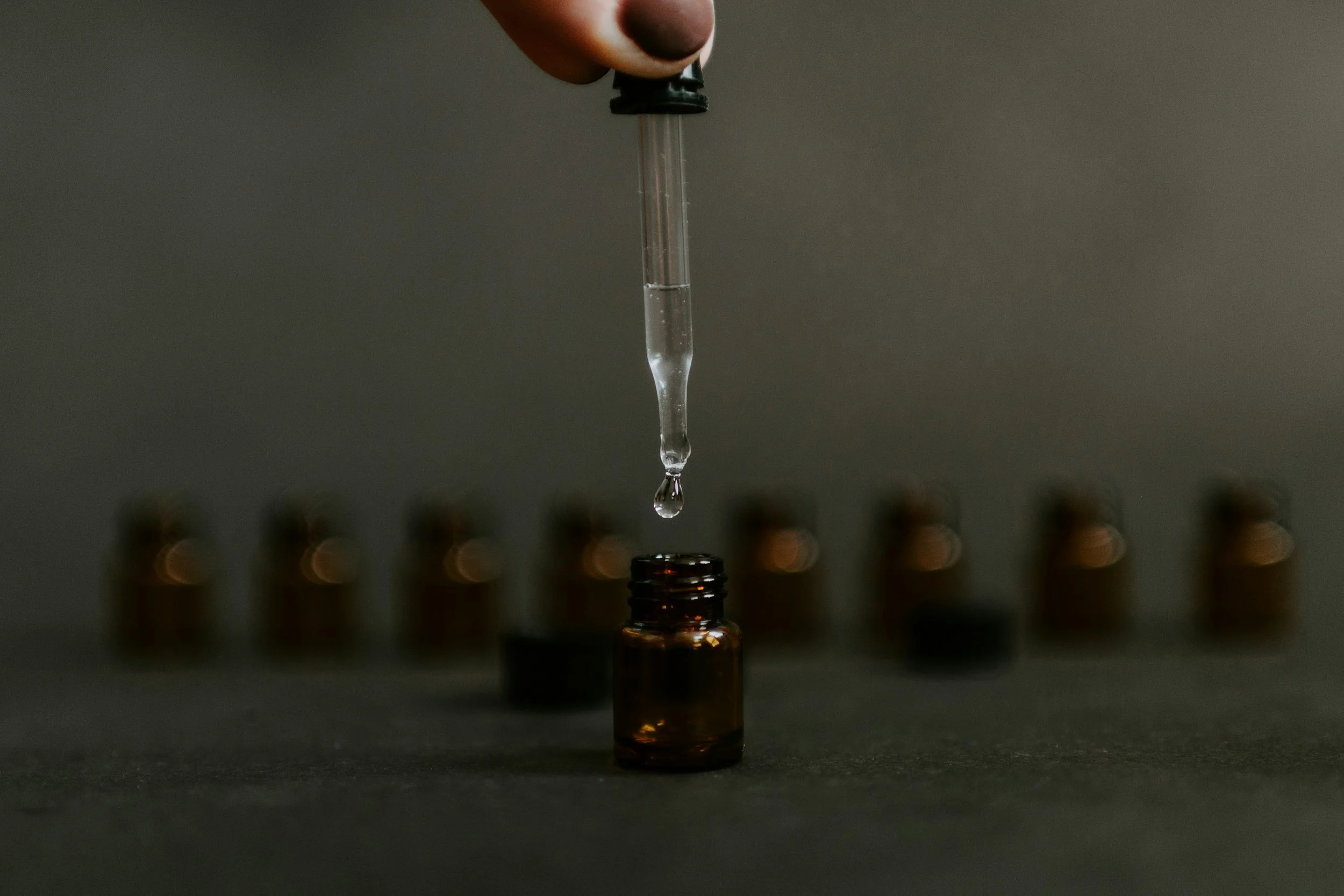
The medicinal mushroom market is one of the most poorly regulated corners of the supplement industry, and the quality gap between products is significant. Here is what actually matters when choosing:
Fruiting body vs. mycelium: The fruiting body, the visible mushroom structure, contains significantly higher concentrations of the active compounds that make medicinal mushrooms effective. Many commercial products use mycelium grown on grain, which contains much lower levels of beta-glucans and much higher levels of starch from the grain substrate. Look explicitly for products made from the fruiting body, and check for third-party beta-glucan content verification.
Dual extraction: As covered above, dual extraction captures both water-soluble and alcohol-soluble compounds. For reishi, chaga, and most adaptogenic mushrooms, dual extraction is essential. Single-extraction tinctures miss a significant portion of the therapeutic profile.
Third-party testing: Look for products that provide certificates of analysis (COAs) from independent laboratories verifying beta-glucan content, the absence of heavy metals, and microbial safety. Reputable companies make these documents publicly available.
Sourcing and substrate: Wild harvested or log-grown mushrooms are generally superior to those grown on grain substrates. For cordyceps specifically, look for grain-free cultivation. For chaga, ensure sustainable wild-harvest from birch forests.
Transparency: A trustworthy company will tell you exactly where their mushrooms are grown, how they are extracted, and what the active compound concentrations are. Vague labeling is a red flag.
How to Use Mushroom Extracts and Tinctures
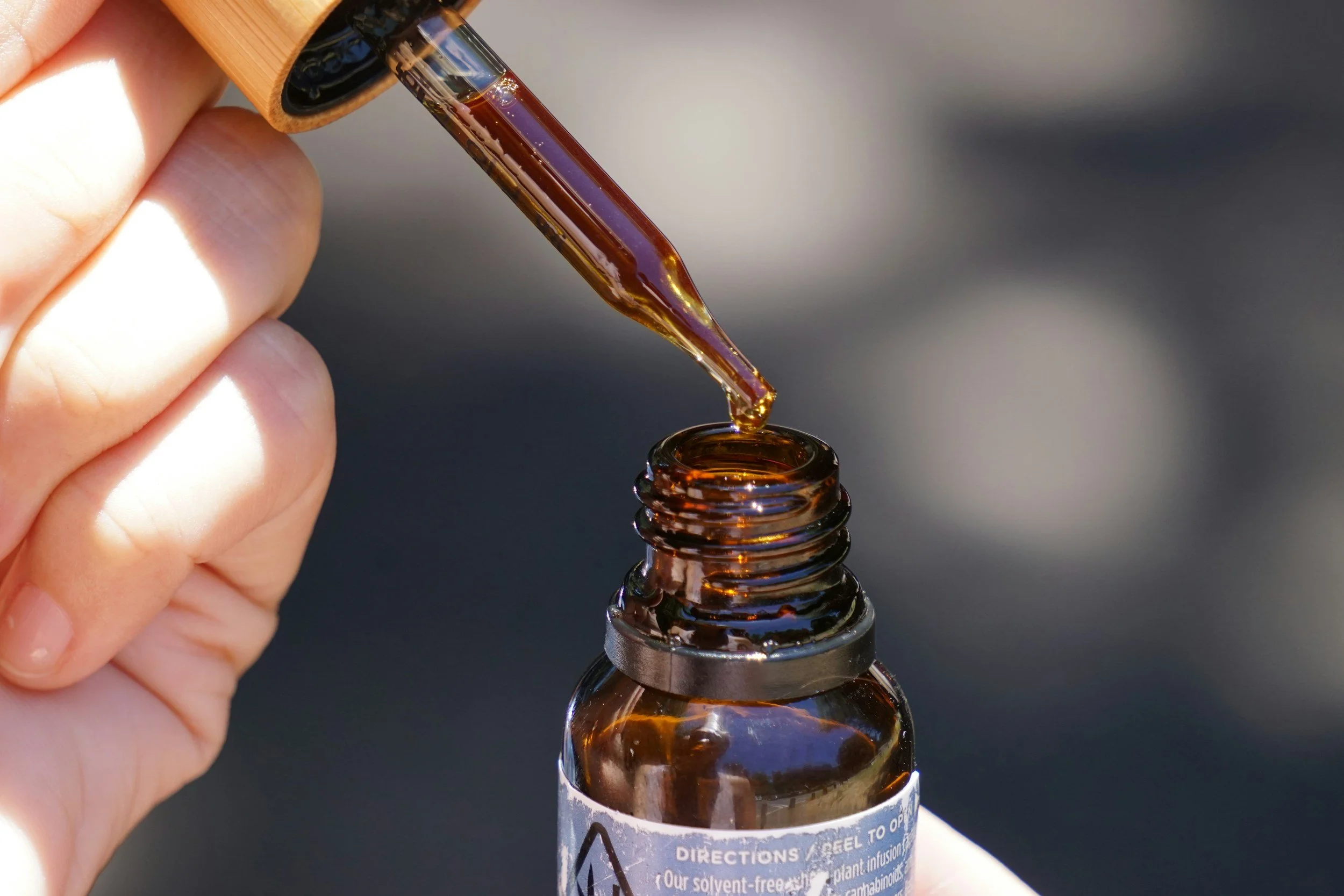
Under the tongue (sublingual): The most direct route — a few drops held under the tongue for thirty to sixty seconds before swallowing allows absorption directly into the bloodstream, bypassing the digestive system. This method is particularly effective for alcohol-based tinctures.
In hot beverages: Most extracts blend easily into coffee, tea, or warm water. Heat does not significantly degrade the active compounds in most mushroom extracts, making this a practical and enjoyable daily option.
In smoothies: A straightforward addition that masks any earthy or bitter flavors effectively.
In broths and soups: Particularly appropriate for mushrooms with savory profiles like chaga or reishi; add after cooking to preserve volatile compounds.
Dosing: Follow product-specific guidelines, as concentration varies significantly between products. Most standardized extracts are dosed at one to three grams of mushroom equivalent per day. Consistent daily use over weeks to months produces the most meaningful results — medicinal mushrooms are tonic medicines, not acute interventions.
Important Cautions
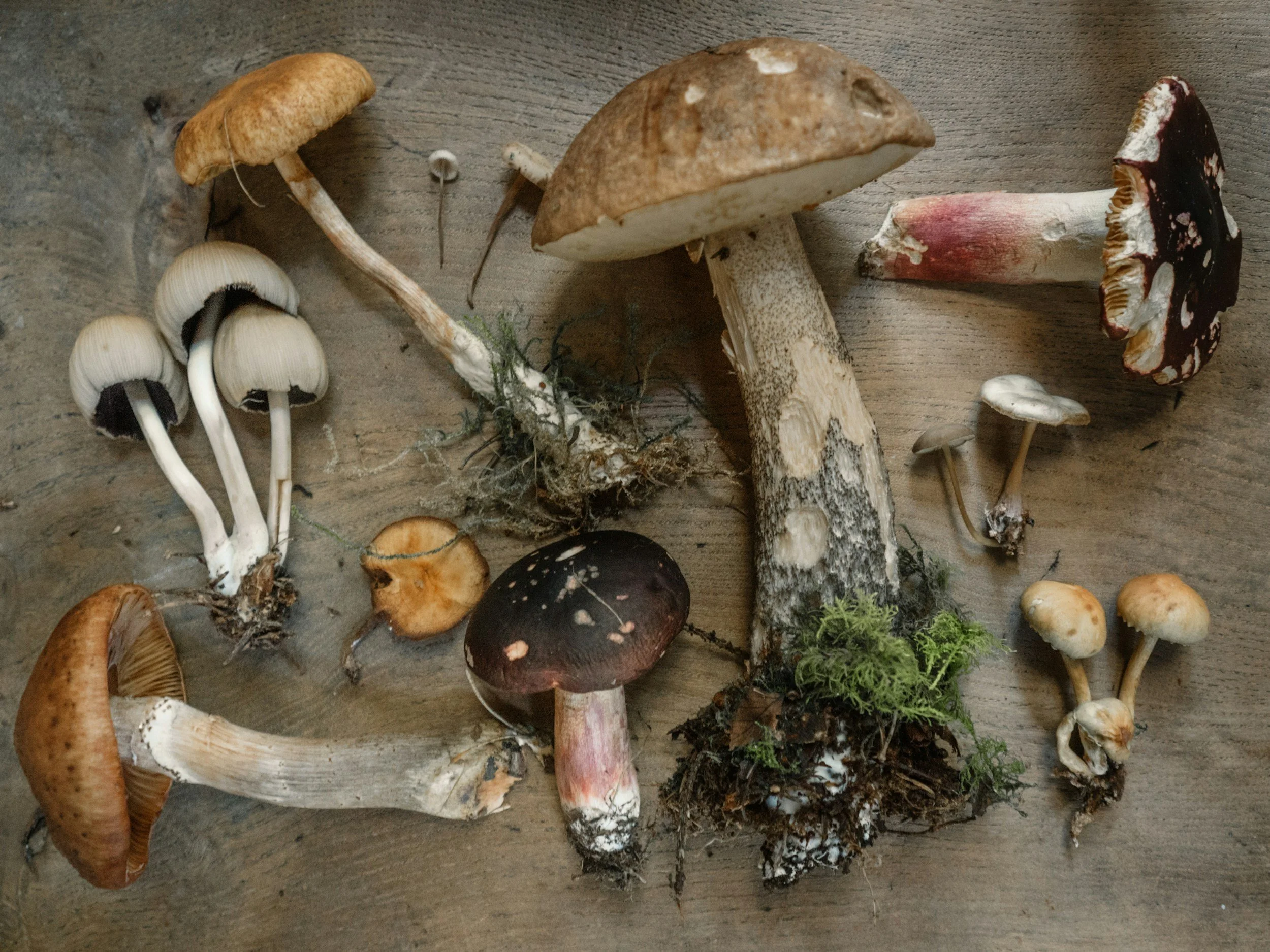
Medicinal mushrooms are generally very well tolerated, but there are important considerations:
Autoimmune conditions: The immune-stimulating properties of some mushrooms — particularly Turkey Tail, Agaricus Blazei, and Meshima — may be contraindicated for those on immunosuppressant medications or managing active autoimmune conditions. Consult your healthcare provider before use.
Blood thinners: Some mushrooms, including reishi, have mild blood-thinning effects. Those on anticoagulant medications should use with caution and medical supervision.
Kidney concerns: Chaga's high oxalate content makes it potentially problematic for those with kidney disease or a history of kidney stones.
Pregnancy and breastfeeding: Most medicinal mushrooms have not been studied in pregnant or breastfeeding populations. Err on the side of caution and consult a healthcare provider.
Quality and contamination: Always source from verified, third-party tested suppliers. Poorly sourced mushroom products can contain heavy metals, mycotoxins, or adulterants.
This article is for educational purposes only and does not constitute medical advice. Please consult a qualified healthcare provider before beginning any new supplement protocol, particularly if you are managing a health condition or taking prescription medication.