
What Is Spirulina? Nutrition, Detox Benefits, and Sacred Indigenous History
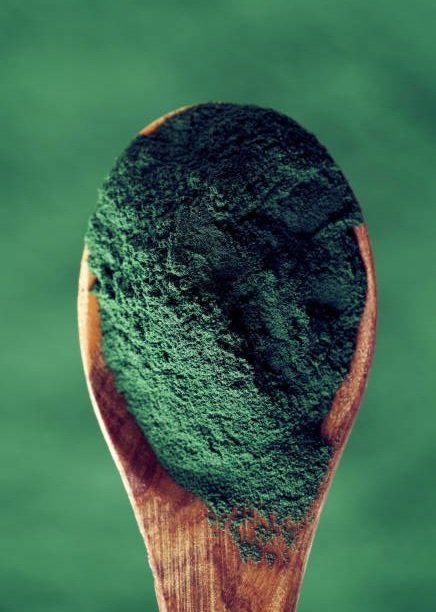
Botanical Name: Arthrospira platensis and Arthrospira maxima
Family: Cyanobacteriaceae (Cyanobacteria family)
Growth Habitat: Spirulina is a blue green algae that grows naturally in warm, alkaline lakes and ponds in subtropical and tropical regions, including parts of Africa, Asia, and Central America.
Parts used: Whole organism (dried and powdered, or pressed into tablets)
Energetics: Cooling, nourishing, deeply mineralizing
Spirulina: Benefits, History, and How to Use It
Before spirulina was a powder in a wellness aisle, it was food. Sacred, sustaining, irreplaceable food, harvested from alkaline lakes by Indigenous peoples who understood that this blue green algae was something extraordinary.
Spirulina is one of the oldest life forms on Earth. A cyanobacterium, technically not a plant, but a photosynthesizing microorganism, it has existed for over three billion years, long predating the ecosystems it now helps sustain. Spirulina is built for survival, and in its survival, it has accumulated a nutritional density that few foods on the planet can match.
A Living History: Spirulina Across Cultures
The Aztec Tradition
Among the most well documented historical uses of spirulina is its role in Aztec civilization. Growing prolifically in the alkaline lakes of central Mexico, particularly Lake Texcoco, on which the Aztec capital Tenochtitlan was built, spirulina was harvested regularly and integrated deeply into daily life. The Aztecs called it tecuitlatl, and it was consumed as a staple food, dried into cakes and eaten with grain, seeds, and vegetables.
Tecuitlatl was especially valued for its ability to provide sustained, reliable energy. Aztec warriors and long distance runners relied on it as a portable, high density food source. Aztec healers understood it as a strengthening medicine, used to support endurance, recovery, and overall vitality.
When Spanish conquistadors arrived in the sixteenth century, they documented its harvest and use with a mixture of curiosity and astonishment, recognizing something in this food that they had no equivalent for in European tradition.
The Kanembu People of Chad
Here, spirulina — called dihé — has been harvested, dried, and used as a food and condiment for centuries, integrated into daily meals and recognized for its strength building, sustaining properties. The tradition continues today, representing an unbroken lineage of Indigenous nutritional knowledge.
What's Inside: The Nutritional Profile
Protein: Spirulina is composed of up to 70% protein by dry weight, and crucially, it contains all nine essential amino acids, making it a complete protein source. This is exceptionally rare in the plant kingdom and makes it a valuable addition to plant-based diets.
Phycocyanin: This is spirulina's most distinctive compound, a blue pigment unique to cyanobacteria that gives blue spirulina its vivid color. Phycocyanin is a potent antioxidant and anti inflammatory agent, with research suggesting it supports immune function, protects against oxidative stress, and enhances the body's detoxification capacity.
Chlorophyll: Spirulina's green pigment plays a central role in its detoxifying properties. Chlorophyll supports liver function, promotes oxygenation of the blood, and helps bind to and neutralize environmental toxins in the digestive tract.
B Vitamins: Spirulina is one of the few plant-based sources of B12, alongside B1, B2, and B3, all essential for energy metabolism, nervous system function, and cellular repair. Note: the bioavailability of B12 in spirulina is debated; those relying on it as a primary B12 source should verify with a healthcare provider.
Minerals: Iron, calcium, magnesium, and potassium are all present in meaningful amounts. The iron content is particularly notable — spirulina is one of the richest plant-based sources of absorbable iron, making it valuable for those managing iron-deficiency anemia.
Essential Fatty Acids: Spirulina contains gamma-linolenic acid (GLA), an omega-6 fatty acid with anti-inflammatory properties that also supports brain health and hormonal balance.
Polysaccharides: These complex carbohydrates support immune system regulation and improve gut motility and digestive health.
Medicinal Benefits of Spirulina
Deep Nutrition and Energy Support
Spirulina's most immediate and widely reported benefit is a tangible increase in energy and vitality, not the sharp spike of caffeine, but a sustained, cellular level nourishment that accumulates with consistent use. Its B vitamin complex supports the conversion of food into usable energy, while its iron content improves oxygen transport throughout the body. For people experiencing fatigue related to nutrient deficiency, anemia, or chronic depletion, spirulina can be a meaningful and relatively fast-acting intervention.
Detoxification and Heavy Metal Binding
One of spirulina's most clinically studied properties is its ability to support the body's detoxification processes. Its chlorophyll and phycocyanin content work together to support liver function and enhance the body's natural ability to identify and eliminate waste. Research has specifically examined spirulina's capacity to bind to heavy metals, including lead, mercury, and arsenic, in the digestive tract, reducing their absorption and supporting their elimination.
Immune System Regulation
Spirulina is an immunomodulator, meaning it doesn't simply stimulate the immune system, but helps regulate and balance it. Its polysaccharides activate macrophages and natural killer cells, supporting the body's first line defenses. Phycocyanin contributes further anti inflammatory support, making spirulina particularly useful for people dealing with chronic low grade inflammation, autoimmune tendencies, or seasonal immune vulnerability.
Anti-Inflammatory Action
Chronic inflammation is at the root of most modern chronic disease, cardiovascular disease, metabolic dysfunction, neurodegeneration, and more. Spirulina's phycocyanin is one of the most potent natural anti-inflammatory compounds currently studied, working by inhibiting inflammatory signaling pathways in a way that is both meaningful and well documented. GLA contributes additional anti inflammatory support, particularly relevant for hormonal and neurological health.
Cardiovascular and Metabolic Support
Research suggests spirulina may support healthy cholesterol levels by reducing LDL (low-density lipoprotein) and triglycerides while supporting HDL levels. It has also shown promise in supporting healthy blood pressure and blood sugar regulation, making it a relevant consideration for those managing metabolic syndrome, pre-diabetes, or cardiovascular risk factors. These effects are best understood as supportive within a broader nutritional and lifestyle protocol, not as standalone treatments.
Gut Health and Digestive Support
Spirulina's polysaccharides support the growth of beneficial gut bacteria, improve bowel regularity, and help soothe intestinal inflammation. For people experiencing digestive sluggishness, dysbiosis, or mild inflammatory bowel symptoms, it can be a gentle and effective addition to a gut supportive protocol.
Skin, Hair, and Cellular Repair
The antioxidant density of spirulina, particularly its phycocyanin, beta-carotene, and vitamin E content, supports cellular repair and protection against oxidative damage. This translates practically to skin health, hair strength, and the broader process of slowing cellular aging. It is increasingly used in topical skincare formulations for this reason, though its internal use produces the most systemic benefit.
Spirulina is widely considered safe for most people at standard doses, but there are important cautions to be aware of before incorporating it into your routine.
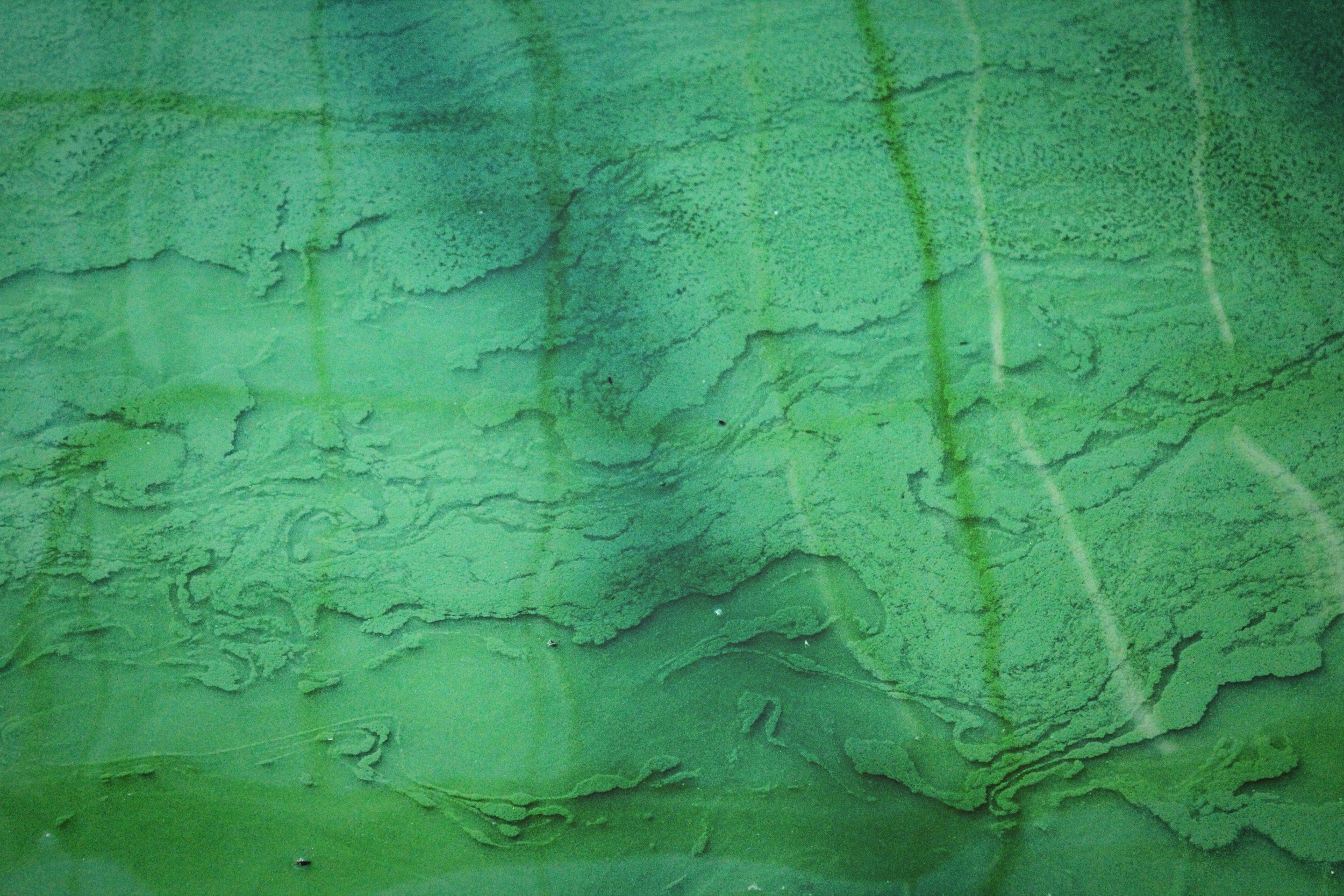
Spirulina can be contaminated with harmful substances called microcystins if harvested from unregulated or polluted water sources. Always purchase spirulina from a reputable supplier that provides third-party testing for heavy metals and microcystin contamination. This is non-negotiable.
Avoid spirulina if you have:
Phenylketonuria (PKU) — spirulina contains phenylalanine
An autoimmune condition such as lupus, rheumatoid arthritis, or multiple sclerosis — its immune-stimulating properties may exacerbate these conditions
A known allergy to seafood, seaweed, or algae
Use with caution if you:
Are pregnant or breastfeeding — consult your healthcare provider before use
Are taking blood thinners — spirulina's vitamin K content may interact
Are managing thyroid conditions — the iodine content may be relevant depending on your condition
Are taking immunosuppressant medications — spirulina's immune-modulating effects may interfere
If you are new to spirulina, start with a small amount, half a teaspoon daily, and increase gradually. Some people experience mild digestive adjustment in the first week of use.
This article is for educational purposes and does not constitute medical advice. Please consult a qualified healthcare provider or herbalist before beginning any new supplement protocol.
How to Work With Spirulina
In smoothies: The most popular method. Spirulina blends well with frozen fruit, citrus, and nut milks. Mango, pineapple, and banana are particularly effective at balancing its earthy, slightly mineral flavor.
In water or juice: A teaspoon in cold water or fresh juice is a quick, effective option. Lemon juice helps mask the flavor and may enhance iron absorption.
In food: Spirulina can be stirred into salad dressings, blended into dips like hummus or guacamole, or mixed into energy balls and raw bars. Its color becomes an asset in savory green preparations.
In capsule or tablet form: For those who find the flavor challenging, capsules or pressed tablets offer a flavorless, convenient alternative with equivalent benefit.
Recommended daily dose: 1–3 grams for general wellness; up to 10 grams daily has been used therapeutically in clinical studies. Start low and increase gradually.
Quality matters: Look for certified organic spirulina from verified, clean water sources with third-party testing. Hawaiian and Californian-grown spirulina are among the most rigorously regulated available.